
NAC in food? The best food sources of L-cysteine
 Written byPurovitalis News
 Reviewed bySamo Borko | Biochemist and Expert Formulator at Purovitalis
There is no NAC in food in any meaningful amount. NAC (N-acetylcysteine) is a form of the amino acid cysteine that is made for supplements and medicines. What food does provide is cysteine itself, mainly through protein: meat, poultry, fish, eggs and dairy, and among plant foods oats, seeds, nuts and legumes. Your body uses cysteine, together with glycine and glutamate, to make glutathione.
Below you can read which foods contain the most cysteine per 100 grams, how cysteine, cystine and NAC differ, and what to keep in mind if you are looking at NAC as a supplement.
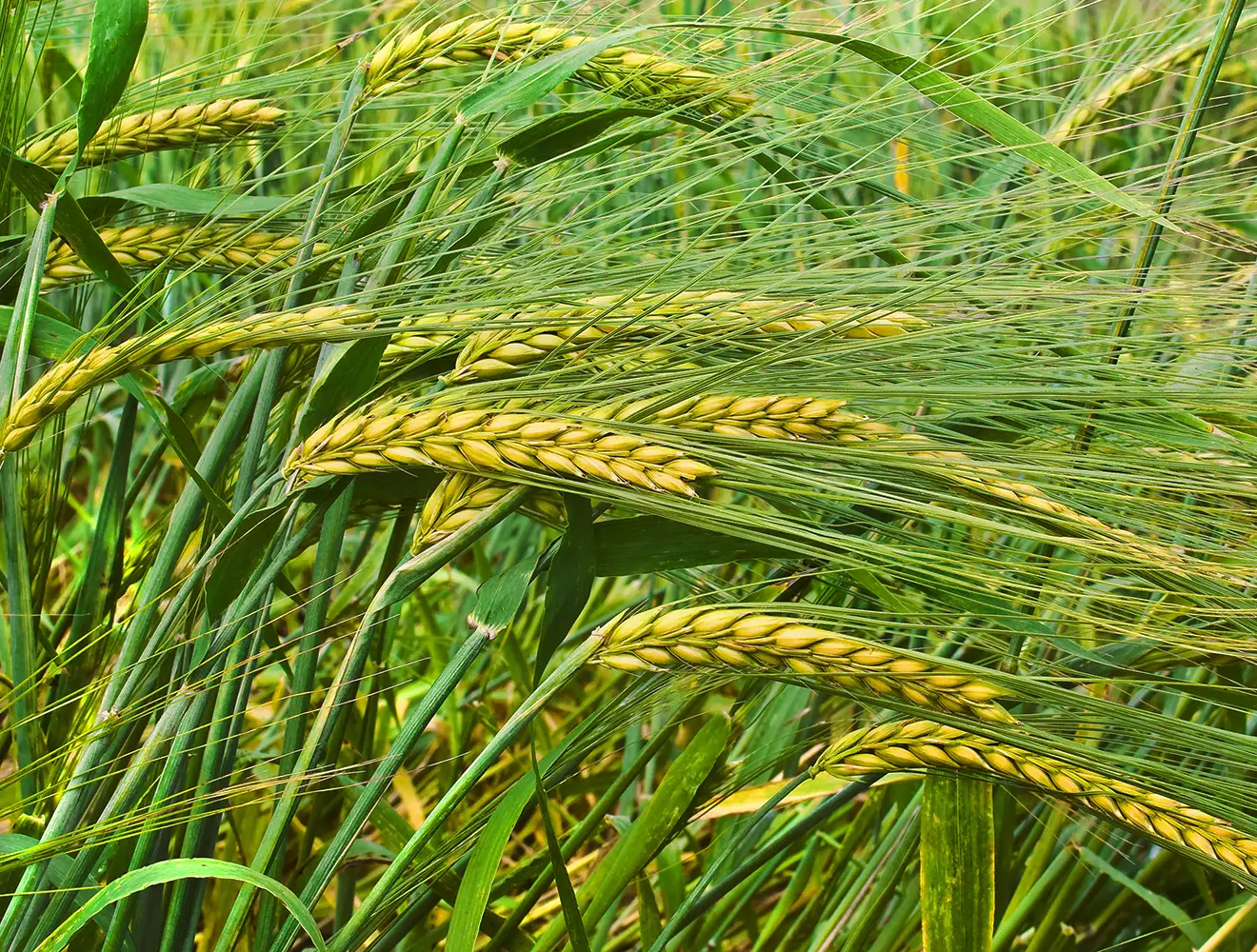
L-cysteine sources
L-cysteine is an amino acid that contains sulphur. Your body can make it itself from methionine, another sulphur-containing amino acid, with help from serine, so cysteine is not strictly essential. The body uses it to build proteins, including keratin in hair and nails, and to make glutathione and taurine.
Because cysteine is part of protein, protein-rich foods are the main sources of cysteine. Meat, poultry, fish and eggs are the most concentrated everyday sources. Per 100 grams, dry oats and seeds match or beat them, but you eat them in smaller portions. These are the natural sources to look at if you want to get the building block of NAC from food.
Cysteine, cystine and NAC: what is the difference?
Cystine is two cysteine molecules linked together. In food analysis the two are measured together, which is why nutrition tables, including the ones below, list cystine. NAC is cysteine with an extra acetyl group. In the body, NAC is converted into cysteine; the body does not make NAC from cysteine in any meaningful amount. NAC is also a medicine ingredient, for example in medicines that loosen mucus.
Animal sources of L-Cysteine
Animal foods are rich in protein and therefore in cysteine. Among them, liver, poultry, beef, pork and lamb lead, followed by eggs, fish and hard cheese. Milk and other dairy drinks contain much less per 100 grams, because they are mostly water.
| Food | Cystine (mg per 100 g) |
|---|---|
| Beef liver, pan-fried | 479 |
| Chicken breast, roasted | 397 |
| Beef sirloin steak, grilled | 380 |
| Pork chop, lean, braised | 341 |
| Lamb leg, lean, roasted | 336 |
| Pork tenderloin, roasted | 302 |
| Egg, hard-boiled | 292 |
| Chicken leg with skin, roasted | 287 |
| Turkey breast, roasted | 283 |
| Tuna, canned in water | 273 |
| Salmon, farmed, cooked | 237 |
| Parmesan cheese | 235 |
Plant sources of L-Cysteine
A varied diet with several plant protein sources also provides cysteine. Oats and oat bran, sunflower and pumpkin seeds and peanuts are the richest plant sources per 100 grams. Cooked legumes contain less per 100 grams because they absorb water when cooked.
| Food | Cystine (mg per 100 g) |
|---|---|
| Oat bran, raw | 576 |
| Oats, dry | 455 |
| Sunflower seeds | 451 |
| Pumpkin seeds | 332 |
| Peanuts, dry-roasted | 304 |
| Walnuts | 208 |
| Tempeh | 193 |
| Split peas, cooked | 127 |
| Chickpeas, cooked | 119 |
| Lentils, cooked | 118 |
| Edamame (green soybeans), cooked | 113 |
| White beans, cooked | 106 |
Which foods contain glutathione?
Glutathione itself also occurs in food. In a 1992 US laboratory analysis of common foods, fresh fruit, vegetables and meat contained it, while dairy and grains contained little. How much glutathione from food the body absorbs intact is still debated, which is why research focuses more on its building blocks, cysteine and glycine.
Find what fits you
Answer a few short questions and discover which supplements match your goals and daily routine.
Find your supplementGlycine + NAC from diet?
GlyNAC is the name researchers use for glycine combined with NAC. Food contains no meaningful NAC, but it does provide both building blocks: cysteine from the foods above, and glycine from protein foods, especially gelatine, collagen-rich cuts of meat and bone broth.
Read more about glycine in food
In research, GlyNAC was given in amounts well above what a meal provides, so these studies say little about food itself. In a randomised, placebo-controlled trial, 12 older adults took glycine and NAC for 16 weeks and 12 took a placebo; changes were measured in glutathione and several markers linked to ageing. It was a small trial by one research group.
A larger randomised trial in 114 healthy older adults, sponsored by Nestlé Health Science, which markets glycine and NAC products, gave 2.4 to 7.2 grams a day for two weeks and found no change in its main glutathione measure. In a later analysis, a rise was measured in the people who started with low glutathione and high oxidative stress and took the higher amounts. That was a post-hoc analysis: it points to questions for new research, but does not confirm an effect.
Is NAC safe? What to keep in mind
In Europe, NAC is best known as a medicine ingredient; whether it may also be sold in food supplements differs per country. In the GlyNAC trials it was well tolerated. The leaflets of NAC medicines mention interactions with nitroglycerin, cough suppressants, activated charcoal and some antibiotics. NAC also has a noticeable sulphur smell, which is normal.
Do you use medication, are you pregnant or breastfeeding, or do you have a medical condition? Then discuss the use of supplements with a doctor or pharmacist.
NAC and L-cysteine foods in brief
NAC is not found in food, but cysteine is: most of all in meat, poultry, fish, eggs and cheese, and among plant foods in oats, seeds, nuts and legumes. NAC is converted into cysteine in the body. Whether extra NAC changes glutathione levels is what the GlyNAC research studies, so far with mixed results.
Research on glycine and NAC together is still limited to a few trials. If you take medication, talk to your doctor or pharmacist before you start NAC.
Frequently asked questions
No. NAC is not found in food in meaningful amounts. Food provides cysteine, the amino acid NAC is made from. The body converts NAC into cysteine, not the other way around.
No. NAC is L-cysteine with an extra acetyl group. In the body, NAC is converted into cysteine. Cysteine occurs in protein-rich food; NAC is made for supplements and medicines.
You cannot get NAC itself from food. The natural route is cysteine-rich foods, the building block of NAC: meat, poultry, fish, eggs, cheese, oats, seeds and legumes.
A hard-boiled egg contains about 292 milligrams of cystine per 100 grams, according to USDA FoodData Central. An egg of about 50 grams without the shell, a European medium, provides roughly 150 milligrams.
Per 100 grams, oat bran, oats, sunflower seeds, pumpkin seeds and peanuts contain the most. Legumes such as lentils, chickpeas and split peas contain less per 100 grams when cooked, because they absorb water.
References
- Aldini G, et al. (2018). N-Acetylcysteine as an antioxidant and disulphide breaking agent: the reasons why. Free Radical Research, 52(7), 751-762. https://pubmed.ncbi.nlm.nih.gov/29742938/
- Jones DP, et al. (1992). Glutathione in foods listed in the National Cancer Institute’s Health Habits and History Food Frequency Questionnaire. Nutrition and Cancer, 17(1), 57-75. https://pubmed.ncbi.nlm.nih.gov/1574445/
- Kumar P, et al. (2023). Supplementing glycine and N-acetylcysteine (GlyNAC) in older adults improves glutathione deficiency, oxidative stress, mitochondrial dysfunction, inflammation, physical function, and aging hallmarks: a randomized clinical trial. Journals of Gerontology Series A, 78(1), 75-89. https://pubmed.ncbi.nlm.nih.gov/35975308/
- Lizzo G, et al. (2022). A randomized controlled clinical trial in healthy older adults to determine efficacy of glycine and N-acetylcysteine supplementation on glutathione redox status and oxidative damage. Frontiers in Aging, 3, 852569. https://pubmed.ncbi.nlm.nih.gov/35821844/
- U.S. Department of Agriculture, Agricultural Research Service. FoodData Central, SR Legacy (2018). https://fdc.nal.usda.gov/
Add Purovitalis as a preferred source on Google Google then shows more of our articles in your search results.




 English
 Dutch
 German
 French
 Spanish
 Romanian
 Danish
 Italian