
What are zombie cells and how to get rid of them?
 Written byKarina Ahrenholt
 Reviewed bySamo Borko | Biochemist and Expert Formulator at Purovitalis
Zombie cells sound like something out of a horror film, but they simply occur in our bodies. The scientific name is senescent cells: cells that have stopped dividing but do not disappear.
Senescence in itself is a normal and sometimes even useful process. It plays a role in wound healing, for example, and prevents damaged cells from continuing to divide uncontrollably. It becomes particularly interesting when senescent cells accumulate more and more during ageing.¹
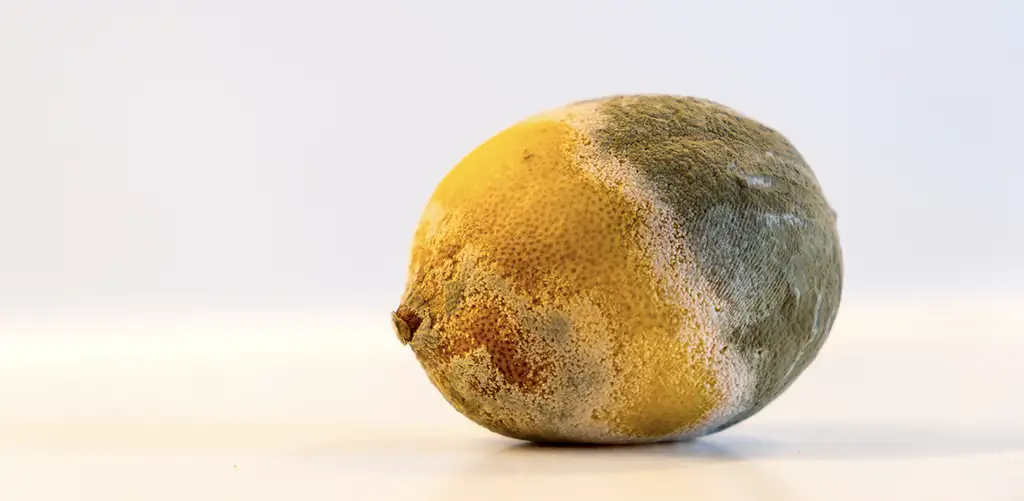
What are zombie cells?
When a cell becomes damaged by DNA damage, oxidative stress or the shortening of telomeres, for example, it can stop dividing. Instead of disappearing through programmed cell death (apoptosis), some of these cells remain present.
These senescent cells can secrete substances known as the senescence-associated secretory phenotype (SASP). Think of inflammatory signals, growth factors and enzymes that affect surrounding cells and tissues.¹
A temporary presence of senescent cells can be useful. When they accumulate over a long period, research links this to chronic inflammatory processes, less capacity for tissue repair and various changes that occur during ageing.²
Why do senescent cells arise?
Cellular senescence can arise from various forms of stress. Important factors are:
- DNA damage
- shortening or damage of telomeres
- oxidative stress
- damage to mitochondria
- metabolic stress
- long-term inflammatory processes
- UV radiation and other environmental influences
Age also plays an important role. As we get older, not only do more senescent cells arise, the immune system also becomes less efficient at recognising and clearing them.²
Can you reduce zombie cells yourself?
You cannot simply ‘train away’ senescent cells or remove them with a single food. What is becoming clearer, though, is that lifestyle influences processes associated with cellular senescence.
Exercise
Regular exercise is one of the most interesting factors. Studies in humans and animals show that physical activity is associated with lower levels of various markers of cellular senescence.³
Exercise also affects inflammatory processes, metabolism, mitochondria and autophagy. This is the system with which cells clear out and reuse damaged components.
A combination of daily movement, cardio and strength training therefore forms a strong basis from the perspective of cellular health as well.
Nutrition and calorie intake
Nutrition also receives a lot of attention. Calorie restriction without malnutrition in particular has been studied extensively.
In the human CALERIE study, a moderate restriction of calorie intake over two years led to lower values for various biomarkers associated with cellular senescence.⁴
That does not mean that eating little over a long period is sensible for everyone. A healthy diet with enough protein, vegetables, fruit, pulses, wholegrain products and healthy fats remains the basis.
Read more about the blue zone diet
And what about fasting?
Intermittent fasting is often mentioned as a way to stimulate autophagy and clear out zombie cells. Interesting signals for this come mainly from animal and laboratory research.
In humans, there is more evidence for calorie restriction and metabolic health than for fasting actually removing senescent cells. The research field around meal timing, autophagy and senescence is still developing rapidly.
Senolytics: targeted research into zombie cells
Scientists are also studying substances that specifically target senescent cells. These are called senolytics.
Senescent cells have various mechanisms with which they keep themselves alive. Senolytics try to disrupt precisely those survival mechanisms, so that the cells can still be cleared out.
One of the best-known combinations is dasatinib and quercetin. In a small pilot study in nine people, lower numbers of senescent cells and changes in the associated markers were measured after three days of treatment.⁵
That research has generated a great deal of interest in substances that may have senolytic properties.
Which natural substances are being studied?
Several natural substances recur in research into cellular senescence.
Quercetin
A flavonoid found in onions, apples and berries, among others. Quercetin is one of the best-known natural substances in senolytic research and has been studied in combination with dasatinib, among other things.⁵
Fisetin
A flavonoid that occurs in strawberries, apples and other plant-based foods. Animal research in particular shows interesting results around senescent cells. Fisetin is now also being studied in clinical trials.
Resveratrol
A polyphenol found in grapes and berries, among others. Resveratrol is mainly studied in relation to SIRT1, oxidative stress, autophagy and other processes associated with cellular ageing.
Curcumin
The well-known substance from turmeric likewise recurs in laboratory research into inflammatory processes, oxidative stress and cellular senescence.
NAD+ precursors such as NMN and NR are also widely studied within cellular ageing. They are not among the classic senolytics, but they are interesting because NAD+ is involved in energy metabolism and various processes around cell maintenance.
Zombie cells are part of the body too
The aim is not to remove all senescent cells. Senescence also has useful functions, for example in wound healing, tissue repair and protection against uncontrolled cell division.¹
Longevity research therefore focuses mainly on the balance: preventing senescent cells from accumulating excessively and understanding how the body can regulate these cells in a healthy way.
Exercise, healthy nutrition and metabolic health form a practical basis in this. At the same time, research into senolytics and other ways to influence cellular senescence more specifically is growing.
Zombie cells in brief
Zombie cells are senescent cells that have stopped dividing but remain present in the body. As we get older they can accumulate and release substances that affect surrounding cells and tissues.
Exercise and a healthy lifestyle are associated with favourable changes in senescence markers. In addition, calorie restriction and substances such as quercetin and fisetin are being studied for their possible influence on senescent cells.
Cellular senescence has thus grown into an important field of research within longevity and healthy ageing.
References
- Birch J, Gil J. Senescence and the SASP: many therapeutic avenues. Genes & Development. On both the useful and the harmful functions of cellular senescence and SASP.
- Gasek NS, et al. Cellular senescence: a key therapeutic target in aging and diseases. Ageing Research Reviews. 2022. On the accumulation of senescent cells, SASP and their relationship with ageing.
- Chen XK, et al. Is exercise a senolytic medicine? A systematic review. Aging Cell. 2021;20:e13294. Systematic review of physical exercise and markers of cellular senescence.
- Aversa Z, et al. Calorie restriction reduces biomarkers of cellular senescence in humans. Aging Cell. 2024;23:e14038. Human analysis within the CALERIE study.
- Hickson LJ, et al. Senolytics decrease senescent cells in humans: Preliminary report from a clinical trial of Dasatinib plus Quercetin. EBioMedicine. 2019. Small human pilot study of senolytic treatment.


 English
 Dutch
Dutch German
 French
 Spanish
 Romanian
 Danish
 Italian