
Quercetin: Benefits, Dosage, and Side Effects Explained
 Written byPurovitalis News
Quercetin is getting more and more attention within longevity and healthy ageing. But what exactly is quercetin, where is it found and why is there so much interest in this plant compound? In this article you can read what we know about quercetin, which benefits come up in research, how it is used and what to keep in mind.

What is quercetin?
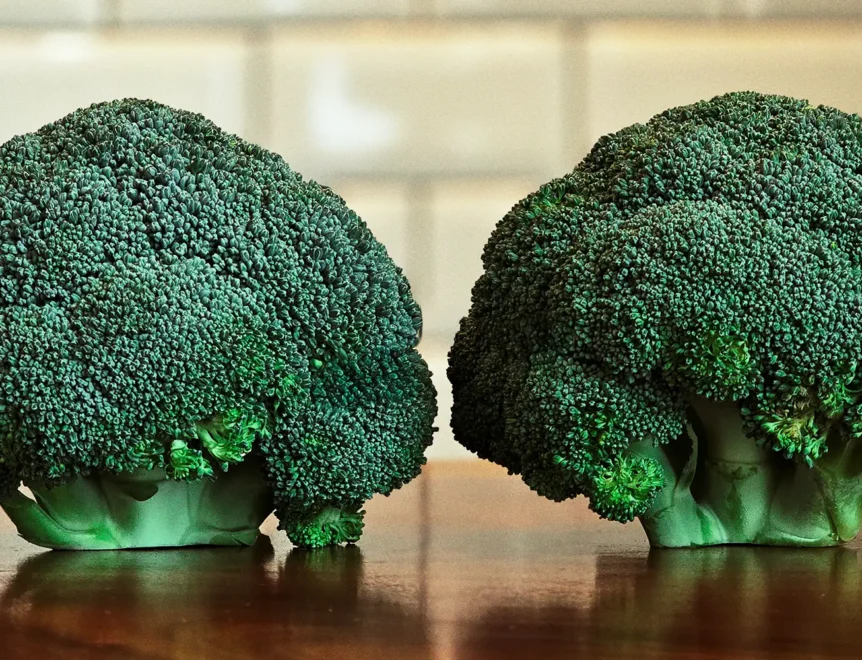
Quercetin is a flavonoid: a natural plant compound that contributes to the colour and protection of many vegetables, fruits and herbs. You take in quercetin every day through your food. Onions, apples, berries, grapes, capers, broccoli and green tea in particular contain relatively high amounts.
In the body, quercetin is being studied from several angles. Most attention goes to oxidative stress, inflammatory processes, immune responses, the skin and cellular ageing.
Which benefits of quercetin are being studied?
Skin and oxidative stress
Oxidative stress and UV radiation play an important role in changes to the skin during ageing. A recent systematic review brought together 65 studies on quercetin and skin processes. Among other things, changes were measured in markers for oxidative stress, inflammatory pathways, collagen formation, wound healing and pigmentation.¹
That explains why quercetin receives a lot of attention in research into skin ageing and protection against environmental influences.
Inflammatory processes
Quercetin is also widely studied because of its relationship with inflammatory processes. In laboratory and clinical research, scientists look at cytokines and signalling pathways involved in the body’s inflammatory response, among other things.
This research area is broad and ranges from metabolism and skin to joints and healthy ageing.
Allergies, mast cells and histamine
Another interesting area is the relationship between quercetin, mast cells and histamine. Mast cells play an important role in allergic reactions because they release histamine, among other things.
In a randomised double-blind study, 66 adults with seasonal eye and nose complaints were given 200 mg of quercetin or a placebo daily for four weeks. In the quercetin group, improvements were measured in various symptoms and quality-of-life scores.²
Quercetin and senescent cells
Within longevity, quercetin receives a lot of attention because of senescent cells, also called zombie cells. These are cells that have stopped dividing but remain present in the body.
Quercetin is being studied as a possible senolytic compound. In a small human pilot study, quercetin was combined with dasatinib. After this treatment, fewer senescent cells and changes in various related markers were measured.³
It is precisely this relationship with cellular ageing that makes quercetin interesting within the broader longevity research.
Read more about zombie cells and senescent cells
Heart and metabolism
The relationship with blood pressure, insulin and other cardiometabolic values is being studied as well. An overview of several meta-analyses mainly found changes in systolic blood pressure and insulin levels. For many other values, including glucose and cholesterol, the results were less clear.⁴
That also makes quercetin interesting within research into broader metabolism and cardiovascular health.
How well is quercetin absorbed?
With quercetin, the amount is not the only thing that matters. The form in which you take it in also has a lot of influence on the bioavailability.
Quercetin is naturally only slightly soluble in water. A systematic review of 31 human studies showed large differences between different quercetin forms and formulations. The chemical form, fats in the meal and techniques such as encapsulation, among other things, influenced absorption.⁵
That is why more and more attention is going to formulations that improve the availability of quercetin, including liposomal and other fat-based forms.
Quercetin dosage
There is no official daily reference intake for quercetin. The amounts in human studies vary widely and depend on what is being studied.
Studies often use dosages of a few hundred milligrams a day. Higher amounts also occur. More quercetin does not automatically mean a greater effect.
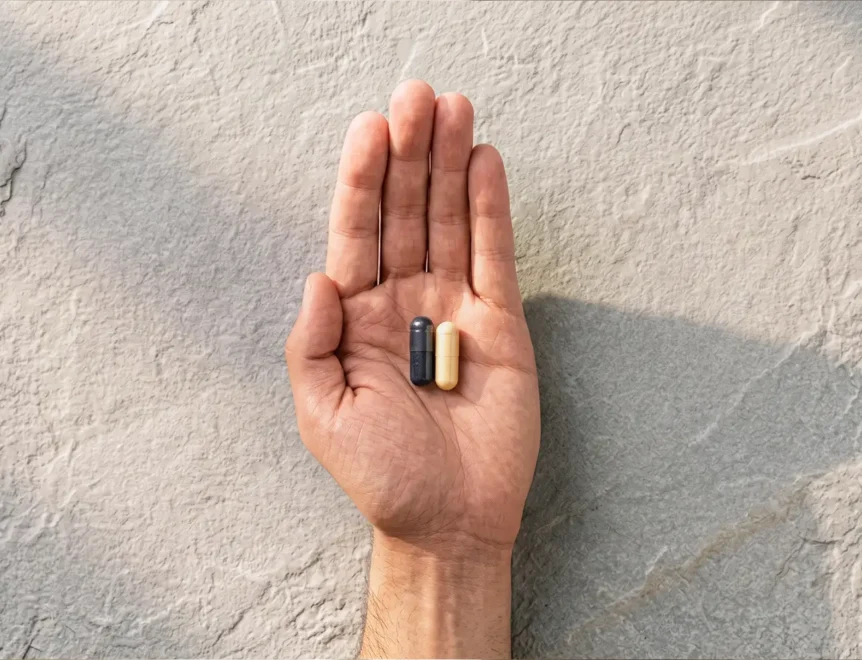
If you use quercetin as a supplement, it is best to follow the recommended daily dosage of the formulation you have chosen.
When to take quercetin
There is no fixed best moment to take quercetin. Because the compound dissolves poorly in water and research suggests that fats in a meal can improve absorption, quercetin is usually taken with a meal. Liposomal forms are being studied partly because they may be less dependent on this.
Consistency seems to matter more than the exact time of day. Human studies usually run for several weeks with a daily intake. It is therefore practical to choose a fixed moment that fits your routine, for example with breakfast or dinner.
Side effects and points of attention
In studies, quercetin is generally well tolerated. At higher amounts, headache, nausea or other gastrointestinal complaints are sometimes reported.
Quercetin can also interact with certain medicines. Do you use medication, are you pregnant, are you breastfeeding or do you have a medical condition? In that case, discuss the use of supplements with a doctor or pharmacist.
Quercetin combined with resveratrol or zinc
Quercetin is regularly combined with other compounds. A well-known example is resveratrol, a polyphenol from grapes and berries that is being studied for its relationship with sirtuins, a group of proteins linked to cellular ageing. In laboratory research, the two compounds are often looked at together, but human research into the combination is still limited.
Another common combination is quercetin with zinc, vitamin C or bromelain. This combination mainly comes up in relation to immune responses and seasonal complaints. Here too, the evidence for the combination is more limited than for the separate compounds.
Quercetin in brief
Quercetin is a natural flavonoid found in many plant-based foods. The compound is widely studied because of its relationship with oxidative stress, skin processes, immune responses, metabolism and senescent cells.
It is above all that combination that makes quercetin interesting within longevity: it comes back in various research areas that are connected to how our cells and tissues change as we grow older.
References
- Okselni T, et al. Quercetin as a therapeutic agent for skin problems: a systematic review and meta-analysis on antioxidant effects, oxidative stress, inflammation, wound healing, hyperpigmentation, aging, and skin cancer. Naunyn-Schmiedeberg’s Archives of Pharmacology, 2025. https://pubmed.ncbi.nlm.nih.gov/39738831
- Yamada S, et al. Effects of repeated oral intake of a quercetin-containing supplement on allergic reaction: a randomized, placebo-controlled, double-blind parallel-group study. 2022. https://pubmed.ncbi.nlm.nih.gov/35776034
- Hickson LJ, et al. Senolytics decrease senescent cells in humans: Preliminary report from a clinical trial of Dasatinib plus Quercetin. EBioMedicine, 2019. https://pubmed.ncbi.nlm.nih.gov/31542391
- Arabi SM, et al. The effects of Quercetin supplementation on cardiometabolic outcomes: An umbrella review of meta-analyses of randomized controlled trials. Phytotherapy Research, 2023. https://pubmed.ncbi.nlm.nih.gov/37654199
- Liu L, et al. Improving quercetin bioavailability: A systematic review and meta-analysis of human intervention studies. Food Chemistry, 2025. https://pubmed.ncbi.nlm.nih.gov/40037045
 English
 Dutch
Dutch German
 French
 Spanish
 Romanian
 Danish
 Italian