
What is Spermidine: Function, Benefits, And Supplementation
 Written byKarina Ahrenholt
 Reviewed bySamo Borko | Biochemist and Expert Formulator at Purovitalis
Spermidine is a natural substance found in virtually every cell in our body and in a wide range of foods. Within longevity and healthy ageing, spermidine attracts attention mainly because of its relationship with autophagy: the natural process by which cells break down and reuse damaged or superfluous components.¹
Spermidine is also being studied in relation to cellular ageing, inflammatory processes, brain health, metabolism and fertility.
What is spermidine?
Spermidine belongs to the polyamines: small molecules that occur naturally in living cells. They are involved in processes such as cell growth, cell division, DNA stability and the normal functioning of tissues.⁵
Your body makes spermidine itself. You also take it in through food, and bacteria in the gut produce part of the spermidine that is present in the body.
The amount of spermidine in the body changes as you get older. That is one of the reasons researchers are looking at the role of food and other sources of spermidine within healthy ageing.⁵
Spermidine and autophagy
Autophagy literally means ‘self-eating’. It is the recycling system of our cells. Damaged proteins and cell components are broken down, after which usable parts can be put to use again.
Damaged mitochondria can also be removed through this system. Autophagy therefore plays an important role in cell maintenance and quality control.
In cell and animal research, spermidine was found to stimulate autophagy. In the same experiments, a longer lifespan was also measured in various model organisms.¹ This research laid an important basis for the current interest in spermidine within longevity.
Fasting and calorie restriction are also closely linked to autophagy. Recent research shows that during fasting the body’s own production of spermidine can increase and is part of the route by which autophagy is activated.
Which benefits of spermidine are being studied?
Healthy ageing
One of the most interesting areas is the relationship between spermidine and lifespan. Alongside results from animal research, there are also data from population research. A study among 829 adults followed participants for around twenty years. People with a higher intake of spermidine through food had on average a lower risk of death than people with a lower intake.² This is an association from nutritional research, but the results are in line with what was seen earlier in experimental research.
Inflammatory processes and cell maintenance
Spermidine is also being studied in relation to oxidative stress and inflammatory processes. These processes receive a lot of attention within research into ageing.
In experimental studies, changes are seen in inflammatory pathways, mitochondrial function and the way cells clear away damaged components.¹ ⁵ That makes spermidine interesting above all as part of the broader research into cell maintenance.
The brain and memory
The relationship with memory and cognitive functions is being studied as well.
A clinical study followed one hundred adults between 60 and 90 years old for twelve months. On the main memory measure, no clear difference was found between spermidine and placebo. In additional analyses, signals were seen around verbal memory and inflammatory markers.³
Brain health therefore remains an interesting area of research, but the results in humans are not yet clear-cut.
Fertility
Spermidine also comes up in research into female fertility and reproductive ageing.
In a study in older mice, the spermidine level in the ovaries declined with age. After spermidine was administered, improvements were measured in egg cell quality, follicle development and fertility. The researchers linked this among other things to better functioning and recycling of mitochondria.⁴
For this topic, the most important knowledge at the moment comes from animal research.
Which foods contain spermidine?
Spermidine occurs in many everyday foods. Relatively good sources are:
- wheat germ
- wholegrain cereals
- soybeans and edamame
- chickpeas and peas
- broccoli and cauliflower
- mushrooms
- green peppers
- nuts and seeds
- matured cheese
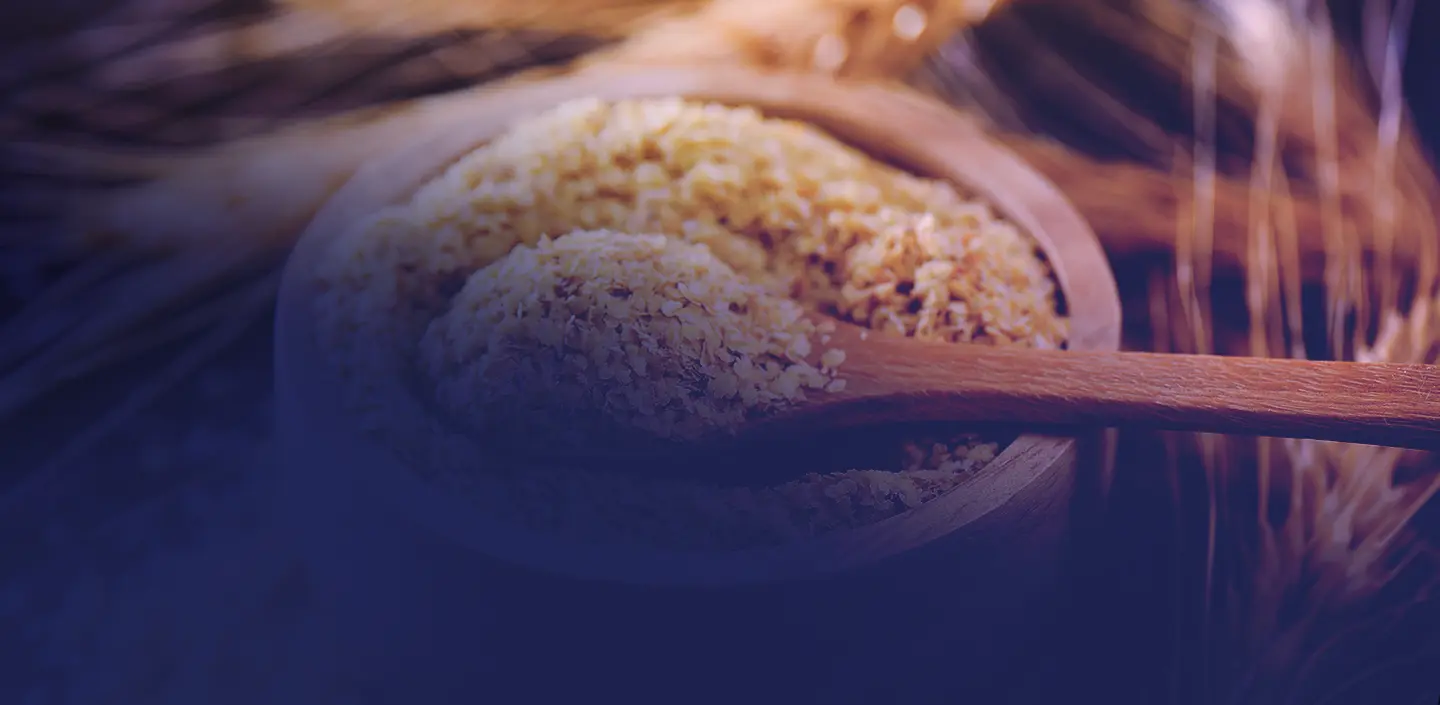
Wheat germ in particular contains a relatively large amount of spermidine. A Mediterranean eating pattern also provides several sources through vegetables, pulses, wholegrain products and cheese.
The amount can differ considerably per product, origin, storage and preparation.⁵
Spermidine from food or supplements?
A varied eating pattern can supply spermidine every day. Supplements mainly offer a fixed and verifiable amount and are available as a powder, capsules or liquid formulations.
There is no official daily reference intake for spermidine. The amounts used in clinical studies also differ considerably. That is why it makes no sense to name one universal optimal dose.
When using supplements, composition, dosage and quality matter more than simply choosing the highest amount.
Side effects and points to consider
Spermidine occurs naturally in the body and in food. In clinical research with spermidine-rich extracts, it was generally well tolerated.³ ⁵
Do you use medication, are you pregnant, are you breastfeeding or do you have a medical condition? In that case, discuss the use of supplements with a doctor or pharmacist.
Spermidine in brief
Spermidine is a natural polyamine that is involved in various processes in our cells. Its relationship with autophagy and cell maintenance in particular has given the substance a prominent place within longevity research.
Researchers are also looking at healthy ageing, inflammatory processes, the brain and fertility. At the same time, spermidine is not an exotic substance: you take it in every day through wholegrain cereals, pulses, vegetables, wheat germ and matured cheese, among other things.
References
- Eisenberg T, et al. Induction of autophagy by spermidine promotes longevity. Nature Cell Biology, 2009. https://pubmed.ncbi.nlm.nih.gov/19801973
- Kiechl S, et al. Higher spermidine intake is linked to lower mortality: a prospective population-based study. American Journal of Clinical Nutrition, 2018. https://pubmed.ncbi.nlm.nih.gov/29955838
- Schwarz C, et al. Effects of Spermidine Supplementation on Cognition and Biomarkers in Older Adults With Subjective Cognitive Decline: A Randomized Clinical Trial. JAMA Network Open, 2022. https://pubmed.ncbi.nlm.nih.gov/35616942
- Zhang Y, et al. Polyamine metabolite spermidine rejuvenates oocyte quality by enhancing mitophagy during female reproductive aging. Nature Aging, 2023. https://pubmed.ncbi.nlm.nih.gov/37845508
- Zou D, et al. A comprehensive review of spermidine: Safety, health effects, absorption and metabolism, food materials evaluation, physical and chemical processing, and bioprocessing. Comprehensive Reviews in Food Science and Food Safety, 2022. https://pubmed.ncbi.nlm.nih.gov/35478379


 English
 Dutch
Dutch German
 French
 Spanish
 Romanian
 Danish
 Italian