



Muscle strength and mobility play an important role in maintaining an active and independent life as we grow older. Over time, however, the body gradually loses muscle mass and strength — a process that can affect balance, energy levels, and overall physical performance.
Scientists have long been interested in understanding the biological mechanisms that drive this decline. In recent years, certain compounds in our diet have gained attention for their potential interactions with these processes.
Among them are polyphenols, natural compounds found in plant foods such as berries, tea, cocoa, and spices. A brand-new scientific review “Dietary polyphenols and sarcopenia” published in Frontiers in Aging in 2026 examined how these compounds may interact with biological pathways involved in muscle aging.
So what does research actually say about polyphenols and sarcopenia? Let’s take a closer look.
table of contents
What happens to muscles as we age?
Muscle tissue is constantly adapting. During exercise, muscle fibers are stimulated to grow stronger. During rest, the body repairs small microscopic damage within the muscle.
With aging, this balance gradually shifts. The body becomes less efficient at repairing muscle tissue, and signaling pathways that regulate muscle growth and maintenance become less active.
This age-related decline in muscle mass and strength is known as sarcopenia.
Sarcopenia is generally characterized by:
- loss of muscle mass
- reduced muscle strength
- declining physical performance
The process develops gradually across the lifespan and is influenced by many factors, including physical activity, nutrition, metabolic health, and overall lifestyle.
In simple terms
Muscle tissue can be thought of as a system that constantly repairs and renews itself. Earlier in life this process works quickly and efficiently. Over time the repair process slows down, allowing small changes to accumulate
Biological mechanisms behind muscle aging
The review in Frontiers in Aging highlights several biological processes that contribute to muscle aging. These mechanisms are widely studied in the context of sarcopenia.
Oxidative stress
During normal cellular energy production, cells generate reactive oxygen species (ROS), often referred to as free radicals. In controlled amounts these molecules play roles in normal cellular signaling.
When their levels rise too high, they can damage proteins, DNA, and cell membranes. Aging is associated with a reduced ability to maintain this balance, which can increase oxidative stress in tissues including skeletal muscle.
Chronic inflammation
Aging is frequently accompanied by low-grade chronic inflammation, sometimes described as inflammaging.
Inflammatory signaling can influence the balance between muscle protein breakdown and synthesis. Over time, this imbalance may contribute to the loss of muscle tissue.
Read all about inflammaging here: Understanding inflamm-aging: Age and Inflammation
Mitochondrial dysfunction
Mitochondria are the structures within cells responsible for producing energy. Muscle tissue relies heavily on mitochondrial activity.
When mitochondrial function declines, cellular energy production decreases. This can affect muscle endurance, recovery, and overall performance.
Related: Understand Mitophagy: Your body’s defense against aging
Reduced muscle regeneration
Muscle repair normally relies on specialized cells called satellite cells, which help generate new muscle fibers. With age, the activity of these cells gradually declines, reducing the muscle’s regenerative capacity.
What are polyphenols?
Polyphenols are a large family of naturally occurring compounds produced by plants. They belong to a group of molecules known as secondary plant metabolites and help plants respond to environmental stress, pathogens, and ultraviolet radiation.
When humans consume plant-based foods, these compounds become part of the diet.
Polyphenols can be found in many everyday foods, including:
- berries
- fruits
- cocoa
- coffee
- tea
- vegetables
- herbs and spices
Researchers study polyphenols because they interact with biological systems involved in inflammation, oxidative balance, cellular metabolism, and stress responses.
Polyphenols in aging research
Interest in polyphenols has grown within aging research because many of these compounds interact with cellular pathways involved in age-related biological processes.
According to the review, polyphenols are often studied for their interactions with mechanisms such as:
- oxidative stress regulation
- inflammatory signaling pathways
- mitochondrial activity and energy metabolism
- epigenetic regulation of gene expression
These interactions are relevant because the same biological systems are involved in the development of sarcopenia and other age-related changes in tissues.
Key polyphenols and sarcopenia – the study
Several polyphenols have been investigated for how they interact with biological pathways involved in muscle aging and sarcopenia.
| Polyphenol | Common dietary sources | Biological mechanisms studied | Potential relevance for muscle aging |
|---|---|---|---|
| Resveratrol | Grapes, red wine, berries | Activation of SIRT1 and AMPK pathways, mitochondrial regulation, antioxidant activity | May influence mitochondrial function and cellular energy metabolism in muscle cells |
| Quercetin | Apples, onions, grapes | Antioxidant activity, modulation of inflammatory signaling pathways such as NF-κB | Studied for interactions with oxidative stress and inflammation associated with muscle decline |
| EGCG (Epigallocatechin gallate) | Green tea | Regulation of oxidative stress and metabolic signaling | Investigated for effects on cellular energy pathways |
| Curcumin | Turmeric | Anti-inflammatory activity and cellular stress signaling | Studied for interactions with inflammatory processes |
Resveratrol and quercetin in aging research
Among the polyphenols examined in the scientific literature, resveratrol and quercetin are frequently discussed in studies exploring cellular mechanisms related to aging.
Resveratrol
Resveratrol occurs naturally in foods such as grapes and red wine. In research, it has been studied for its interaction with signaling pathways involved in energy metabolism and mitochondrial function.
Several studies suggest that resveratrol may influence cellular pathways such as SIRT1 and AMPK, which play roles in regulating cellular energy balance and stress responses. These pathways are important in tissues with high energy demands, including skeletal muscle.
Quercetin
Quercetin is a flavonoid found in foods such as apples, onions, and grapes.
Scientific studies often investigate quercetin for its antioxidant and anti-inflammatory properties. Research suggests that quercetin may interact with cellular defense systems that help cells respond to oxidative stress and inflammatory signaling.
In the review, quercetin appears among the polyphenols studied for their interactions with pathways related to metabolism, inflammation, and cellular resilience.
Related: Quercetin combined with zinc, vitamin C and bromelain
Did you know?
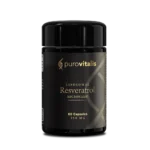
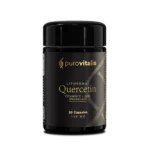
Obtaining meaningful amounts of resveratrol and quercetin through diet alone can be challenging. Supplements can offer a more consistent intake. Discover Purovitalis Resveratrol and Quercetin here.
Polyphenols and epigenetic regulation
An interesting aspect highlighted in the review is the potential interaction between polyphenols and epigenetic mechanisms.
Epigenetics refers to biological systems that regulate gene activity without altering the DNA sequence itself. These mechanisms determine which genes are activated or suppressed in response to environmental signals.
Polyphenols have been studied for their influence on processes such as:
- DNA methylation
- histone modification
- microRNA regulation
These systems help regulate genes involved in metabolism, inflammation, and cellular repair.
In simple terms
Research suggests that polyphenols may interact with several biological systems associated with muscle aging, including inflammation, oxidative stress, energy metabolism, and gene regulation.
Why this matters for longevity research
The review places polyphenols within the broader field of geroscience.
Geroscience focuses on understanding the biological mechanisms that drive aging across multiple tissues and organ systems. Rather than studying individual diseases, researchers aim to understand processes that influence aging itself.
Polyphenols are of interest in this field because they appear to interact with several aging-related processes simultaneously, including:
- inflammation
- oxidative stress
- metabolic regulation
- epigenetic signaling
This is why these compounds continue to attract attention in studies on healthy aging and healthspan.
Polyphenols, muscle health, and a holistic longevity approach
Muscle aging is influenced by a complex network of biological processes including inflammation, oxidative stress, mitochondrial changes, and shifts in gene regulation.
As highlighted in the Frontiers in Aging review, polyphenols can interact with several of these sarcopenic mechanisms. This is one reason compounds such as resveratrol, quercetin, green tea polyphenols, and curcumin continue to be explored in aging research.
For those interested in these compounds, polyphenols such as resveratrol and quercetin are also available as dietary supplements. At Purovitalis, both are offered in liposomal formulations with carefully selected pure ingredients designed to support efficient absorption.
Go to all supplements: Purovitalis premium supplements
At the same time, muscle health throughout life depends on many factors. Regular physical activity, resistance training, balanced nutrition, and metabolic health remain some of the most important elements for maintaining muscle mass with age.
Polyphenols can therefore be viewed as one part of a broader longevity approach — supporting resilience, mobility, and long-term wellbeing.
References
- Rodrigues GDS, Silva LSL, Sobrinho ACS, Benjamim J, Abud GF, Ortiz GU, et al. Dietary polyphenols and sarcopenia: epigenetic mechanisms and geroscience perspectives for muscle health in aging. Front Aging. 2026;5:1696473. doi:10.3389/fragi.2025.1696473.
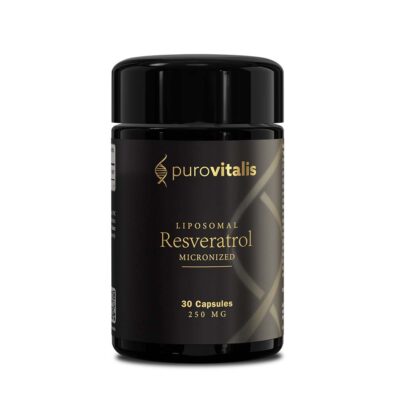
Liposomal Resveratrol maximum benefits improves sugar levels
Experience the best of resveratrol with Purovitalis liposomal formula. Try it out!
Share: