




Pentru multe persoane, sănătatea și longevitatea pot părea repede copleșitoare. Adesea ne confruntăm cu programe de antrenament lungi, reguli alimentare complexe și ideea că pentru a trăi mai sănătos sunt necesare schimbări majore și mult timp. Când viața de zi cu zi este deja aglomerată, acest lucru poate deveni cu ușurință un motiv pentru a nu face nimic.
Dar dacă nu trebuie să fie atât de solicitant?
Ce s-ar întâmpla dacă schimbările foarte mici și realiste în obiceiurile cotidiene ar fi asociate statistic cu diferențe măsurabile atât în ceea ce privește durata vieții, cât și numărul de ani trăiți în stare bună de sănătate?
În acest blog, analizăm mai îndeaproape concluziile unui studiu amplu bazat pe populație, publicat în 2026. Folosind date din UK Biobank, cercetătorii au examinat modul în care variațiile modeste, combinate, ale somnului, activității fizice și dietei erau asociate cu diferențe atât în durata de viață, cât și în durata de sănătate.
tabel de conținut
Despre studiu
Concluziile discutate aici se bazează pe studiul „Variații minime și optime combinate în somn, activitate fizică și nutriție în raport cu durata de viață și starea de sănătate”. Analiza se bazează pe date de urmărire pe termen lung din UK Biobank și se concentrează pe modul în care modelele de stil de viață de zi cu zi se raportează atât la durata de viață, cât și la anii trăiți fără boli cronice majore.
În loc să se întrebe cum ar arăta un stil de viață „ideal”, studiul a pus o întrebare mai practică: cât de mici trebuie să fie schimbările de stil de viață pentru ca diferențele măsurabile să apară la nivelul populației?
Ce este SPAN?
În cadrul studiului, cercetătorii utilizează termenul SPAN pentru a descrie rolul combinat al:
- Somn – durata somnului pe timp de noapte
- Activitate fizică – mișcare zilnică, cu accent pe intensitate moderată până la viguroasă
- Nutriție – calitatea generală a dietei, mai degrabă decât alimentele sau nutrienții individuali
Acești trei factori legați de stilul de viață sunt factori de risc bine cunoscuți și modificabili pentru bolile cronice și mortalitatea prematură. De asemenea, aceștia influențează procesele biologice care se suprapun, inclusiv metabolismul, inflamația și echilibrul energetic.
În loc să analizeze fiecare factor în parte, cadrul SPAN tratează somnul, activitatea fizică și nutriția ca un model combinat de stil de viață. Acest lucru face posibilă examinarea modului în care variațiile simultane ale celor trei factori sunt asociate cu durata de viață și starea de sănătate în cadrul acelorași modele statistice.
Ce s-a măsurat?
Somnul și activitatea fizică au fost măsurate în mod obiectiv folosind un accelerometru purtat la încheietura mâinii, purtat continuu timp de șapte zile de un eșantion de peste 100.000 de participanți. Participanții au fost incluși dacă au furnizat date valide pentru cel puțin trei zile, inclusiv o zi din weekend.
Dispozitivul a înregistrat mișcările pe parcursul zilei și al nopții, permițând cercetătorilor să estimeze:
- durata medie a somnului
- mișcarea zilnică totală
- minute petrecute în activități fizice moderate până la intense (MVPA)
Deoarece activitatea a fost măsurată în mod obiectiv, datele au capturat atât exercițiile fizice planificate, cât și mișcările cotidiene, precum mersul pe jos, statul în picioare și sarcinile zilnice de rutină.
Dieta a fost evaluată separat folosind un chestionar validat privind frecvența consumului alimentar, pe baza căruia s-a calculat un scor global al calității dietei. Scorul reflecta obiceiurile alimentare pe o perioadă mai lungă de timp, mai degrabă decât alimentele sau nutrienții individuali.
Împreună, aceste măsuri au permis cercetătorilor să examineze modul în care somnul, activitatea fizică și dieta – atât individual, cât și în combinație – erau asociate cu rezultatele pe termen lung în materie de sănătate.
Durata de viață și starea de sănătate
- Durata de viață se referă la durata totală a vieții.
- Durata de viață sănătoasă se referă la numărul de ani trăiți în stare bună de sănătate, fără boli cronice grave, cum ar fi bolile cardiovasculare, cancerul, diabetul de tip 2, bronhopneumopatia cronică obstructivă sau demența.
Un obiectiv cheie al studiului a fost acela de a examina dacă schimbările în obiceiurile cotidiene erau asociate nu numai cu o viață mai lungă, ci și cu mai mulți ani trăiți fără boli.
Ce a descoperit studiul?
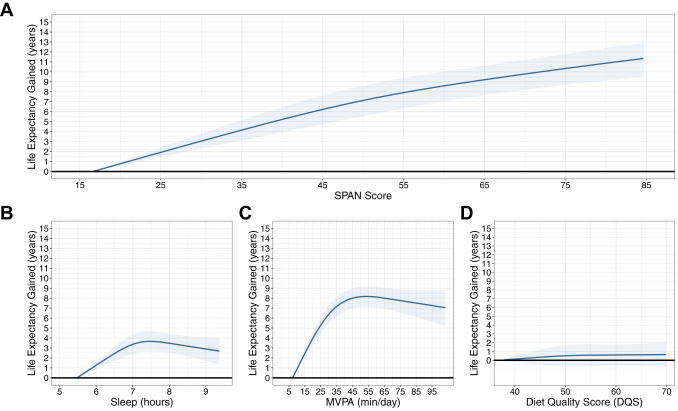
Când rezultatele sunt privite în ansamblu, se conturează un model clar: combinațiile mai favorabile de somn, activitate fizică și dietă au fost asociate cu o durată de viață mai lungă și mai mulți ani trăiți fără boli cronice grave.
Este important de menționat că studiul evidențiază cât de mici pot fi diferențele combinate înainte ca asocierile măsurabile să apară în modelele la nivel de populație.
Schimbările mici pot prelungi semnificativ durata de viață
Folosind modele statistice, cercetătorii au estimat variațiile minime combinate ale somnului, activității fizice și dietei care erau asociate cu aproximativ un an suplimentar de speranță de viață, în comparație cu cel mai puțin favorabil model de stil de viață observat în populație.
Conform estimărilor modelului, acest lucru corespundea unui model combinat care includea:
- aproximativ 5 minute suplimentare de somn pe zi
- aproximativ 2 minute suplimentare pe zi de activitate fizică moderată până la intensă
- o ușoară îmbunătățire a calității generale a alimentației, cum ar fi un consum ușor mai mare de legume
Cu alte cuvinte, participanții cu cel mai puțin favorabil stil de viață măsurat ar avea nevoie, conform modelelor, doar de schimbări combinate foarte mici în ceea ce privește somnul, mișcarea și dieta pentru a beneficia de o speranță de viață cu aproximativ un an mai mare.
Activitatea fizică prezintă cea mai puternică asociere individuală
Dintre cei trei factori SPAN, activitatea fizică a demonstrat cea mai puternică asociere individuală atât cu durata de viață, cât și cu durata de viață sănătoasă.
Chiar și creșteri mici ale activității moderate până la intense zilnice au fost asociate cu diferențe măsurabile, în special atunci când au fost combinate cu îmbunătățiri ale somnului și alimentației. Au fost observate asocieri mai puternice și mai consistente la niveluri de activitate mai ridicate.
Aproximativ 20-25 de minute pe zi de activitate fizică moderată până la intensă au fost asociate cu îmbunătățiri semnificative atât în ceea ce privește durata de viață, cât și starea de sănătate. Beneficiile au continuat să crească până la aproximativ 50-75 de minute pe zi, după care asocierea s-a stabilizat.
Deoarece activitatea a fost măsurată cu ajutorul unui accelerometru, aceste rezultate nu s-au limitat doar la exercițiile fizice structurate, ci au reflectat mișcarea zilnică totală.
Somnul are un punct optim clar
În ceea ce privește somnul, studiul a evidențiat un model familiar. Cele mai favorabile asocieri atât cu durata de viață, cât și cu durata de viață sănătoasă au fost observate la aproximativ 7-8 ore de somn pe noapte.
Atât durata mai scurtă, cât și cea mai lungă a somnului au fost asociate cu beneficii mai mici. Somnul în sine a arătat o asociere cu rezultatele, dar contribuția sa a devenit mai puternică atunci când a fost luat în considerare împreună cu activitatea fizică și dieta, ca parte a unui model combinat de stil de viață.
Dieta contează cel mai mult în combinație
Analizată separat, calitatea alimentației a arătat o asociere mai modestă cu durata de viață. Îmbunătățirile alimentației în sine nu au fost asociate în mod semnificativ cu o viață mai lungă.
Cu toate acestea, atunci când calitatea alimentației s-a îmbunătățit odată cu somnul și activitatea fizică, aceasta a contribuit în mod clar la asocierea generală cu durata de viață și starea de sănătate. Îmbunătățirile au reflectat schimbări generale în alimentație, cum ar fi consumul mai mare de legume, cereale integrale și pește, mai degrabă decât reguli alimentare stricte sau complexe.
Mai mulți ani fără boală necesită puțin mai mult, dar totuși nu mult.
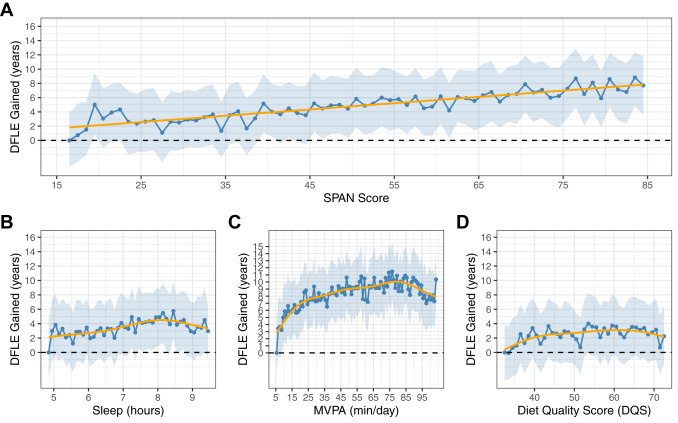
Când cercetătorii s-au concentrat asupra duratei de viață sănătoasă, schimbările asociate au fost puțin mai mari, dar totuși modeste.
În modelele statistice, o variație combinată echivalentă cu:
- aproximativ 24 de minute suplimentare de somn pe zi
- puțin sub 4 minute suplimentare de activitate fizică moderată până la intensă pe zi
- o îmbunătățire mai clară a calității alimentației
a fost asociată cu aproximativ patru ani suplimentari trăiți în stare bună de sănătate.
În cazul celor mai favorabile combinații de stil de viață observate în cadrul studiului, modelele au estimat câștiguri de până la nouă ani suplimentari de viață, dintre care aproape la fel de mulți ani trăiți fără boli cronice grave, în comparație cu cele mai puțin favorabile modele de stil de viață.
Mici schimbări pot face diferența
În ansamblu, rezultatele indică un mesaj clar: interacțiunea dintre somn, activitate fizică și nutriție este cea mai importantă.
În loc să impună schimbări radicale ale stilului de viață, care pot fi dificil de menținut în timp, studiul sugerează că variații mici și simultane în aceste trei domenii au fost asociate cu diferențe semnificative atât în ceea ce privește durata de viață, cât și starea de sănătate la nivel populațional.
Privite din această perspectivă, concluziile studiului oferă o perspectivă liniștitoare. Menținerea sănătății pe termen lung nu necesită neapărat eforturi extreme sau perfecțiune. Conform modelelor studiului, chiar și schimbările mici și realiste – atunci când sunt realizate împreună – au fost asociate cu o durată de viață mai lungă și mai mulți ani petrecuți în stare bună de sănătate.
Referințe
- Koemel NA, Biswas RK, Ahmadi MN, Teixeira-Pinto A, Hamer M, Rezende LFM, et al. Variații minime combinate ale somnului, activității fizice și nutriției asociate cu îmbunătățiri ale duratei de viață și ale stării de sănătate: un studiu de cohortă pe populație. eClinicalMedicine. 2026; Publicat online pentru prima dată pe 13 ianuarie 2026:103741. Acces liber.