

Vitamin C is often linked to immunity, yet its role in the body goes much further. This water-soluble vitamin also supports collagen formation, antioxidant defense, and iron absorption. All processes that matter for how the body repairs and protects itself over time — but also why its relevant in the longevity conversation.
A brand-new 2026 study suggests that higher vitamin intake may be linked to slower biological aging, with vitamin C highlighted as one of the key nutrients. This has contributed to the growing interest in vitamin C in healthy aging research.
In this blog, we look at what vitamin C does in the body, where to find it, how much you need, and what current science suggests about its role in longevity.
table of contents
What is vitamin C
Vitamin C, also known as ascorbic acid, is a water-soluble vitamin that the body cannot produce on its own. This means we need to get it through food or a vitamin C supplement every day.
Vitamin C contributes to many important processes that help keep the body functioning properly. One of the key vitamin C functions is its involvement in collagen production. It acts as a cofactor for enzymes that help form and stabilize collagen, which is essential for skin, blood vessels, joints, and connective tissue.
Vitamin C is also known for its antioxidant properties. It helps neutralize free radicals—unstable molecules that can damage cells over time. This process, known as oxidative stress, is closely linked to aging and many chronic conditions.
Another important role is within the vitamin C immune system response. It supports both the body’s immediate defenses and its longer-term immune response.
Since vitamin C is water-soluble, the body stores only limited amounts, so regular intake is important. Severe deficiency can lead to scurvy, which is uncommon today but still occurs in some populations affected by malnutrition or limited access to vitamin C-rich foods.
Scurvy
A disease caused by long-term vitamin C deficiency, which weakens collagen formation and leads to symptoms like fatigue, bleeding gums, and poor wound healing. It was commonly seen in sailors in the past due to a lack of fresh fruits and vegetables during long sea voyages.
Related: Scientifically proven anti-aging supplements and vitamins – myths vs. reality
Top natural sources of vitamin C
If you would have to think of one vitamin C foods, citrus fruits are usually the first thing that comes to mind. Oranges and lemons have long been associated with this nutrient, and they do provide a good amount.
But they are not the only source, and not always the richest.
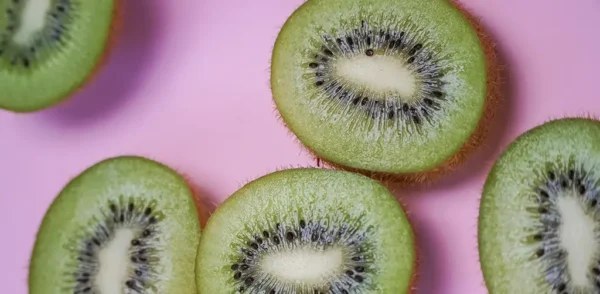
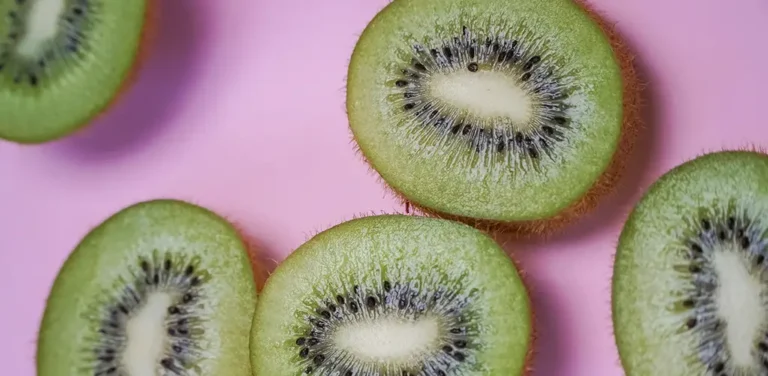
Many of the most vitamin C rich foods are found in colourful fruits and vegetables that are part of everyday meals. Red bell peppers, kiwi, strawberries, broccoli, Brussels sprouts, kale, and papaya all contain high levels of vitamin C and often more than citrus fruits.
One thing that makes vitamin C different from many other nutrients is how sensitive it is. The amount you actually get depends not only on what you eat, but also on how the food is handled. Heat, air, and storage time can all reduce vitamin C levels.
This is why fresh fruits, raw vegetables, or lightly cooked foods often provide more vitamin C than heavily processed or overcooked meals.
Foods naturally rich in vitamin C
- Red bell peppers
- Kiwi
- Strawberries
- Broccoli
- Brussels sprouts
- Papaya
- Kale
- Oranges and citrus fruits
A varied diet with these foods will often cover basic needs. Still, many people do not consistently reach optimal levels, which is why a vitamin C supplement can be relevant in some cases—either on its own or combined with other nutrients, depending on individual needs.
Longevity benefits of vitamin C
Vitamin C is interesting in the context of longevity, as it has been shown to support some of the body’s most important defense and repair systems.
A 2025 review explains that vitamin C helps protect cells from oxidative stress. This matters, since oxidative stress can damage DNA, proteins, and cell membranes over time. The same review points out that vitamin C also helps support immune cells, which is relevant as immune function often becomes weaker with age.
Vitamin C may also support blood vessel health. One study found that it can help improve endothelial function, which is linked to healthy circulation and cardiovascular health. Good blood flow matters throughout life and becomes more relevant with age.
One of the most interesting findings comes from a large study on telomere length. Telomeres are often seen as a marker of biological aging, and they tend to get shorter over time. The study found that people with a higher intake of vitamin C had longer leukocyte telomeres. This does not prove that vitamin C directly keeps telomeres long, though it does make vitamin C highly relevant in the longevity conversation.
Related: Vitamin D3 and biological aging: What a 4-year study reveals about telomeres.
Telomeres
Small protective caps at the ends of your chromosomes. They help keep your DNA safe when cells divide. Over time, telomeres get shorter, and this is linked to aging. Longer, healthier telomeres are often connected to better cell function and healthy aging.
Vitamin C is also relevant for skin aging. Since the body needs it to make collagen, it helps support skin structure and elasticity, which is one reason vitamin C for skin is such a common topic in healthy aging research.
Read also about Resvertrol and skinhealth: Study insight: Resveratrol protects the skin from the inside out
Vitamin C dosage and requirements
Vitamin C requirements vary with age, sex, and life stage, but general guidelines are well established. EFSA sets the daily reference intake for adults at 95 mg for women and 110 mg for men. These levels help support normal body functions and maintain adequate vitamin C status. Vitamin C also plays a helpful role in iron absorption, particularly by improving the uptake of non-heme iron from plant-based foods and supplements.
Vitamin C is often used during illness, especially in doses of 1,000 mg (1 g) or more. These higher intakes are frequently promoted for immune support and faster recovery, particularly during the common cold. Research suggests that vitamin C may slightly shorten the duration of cold symptoms in some cases, but it does not appear to consistently prevent illness or reduce symptom severity once a cold has started. A Cochrane review for example, found no consistent benefit from taking high-dose vitamin C after symptom onset.
When to take vitamin C
Vitamin C can be taken either in the morning or evening, though many prefer taking it with food.
Forms of vitamin C supplementation
Vitamin C is available in several forms, each suited to different preferences and routines:
- Vitamin C capsules and pills – a simple and widely used option for daily supplementation
- Vitamin C powder – can be mixed into water or smoothies for flexible dosing
- Vitamin C chewable tablets and gummies – easier to take for those who prefer not to swallow capsules
- Vitamin C drops – useful when adjusting intake more precisely
- Vitamin C injection – used in medical settings rather than everyday supplementation
- Vitamin C serum – applied to the skin, not used as a dietary supplement
- Vitamin C liposomal – a different format where vitamin C is enclosed in phospholipids
Liposomal vitamin C differs from standard tablets, powders, and chewables. In this form, vitamin C is enclosed in phospholipids, creating a different type of formulation. For many, the format itself is an important factor when choosing a vitamin C supplement.
Vitamin C in Purovitalis Liposomal Quercetin
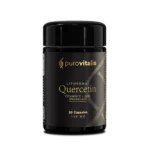
In Purovitalis Liposomal Quercetin, vitamin C is included to support and stabilise quercetin, helping maintain its antioxidant activity and contributing to a more balanced formulation. You can read more about this further down in the blog.
Side effects and interactions
Vitamin C is generally considered safe and well tolerated, especially when taken within normal ranges. But like many supplements, side effects can appear at higher intakes. A common question is whether vitamin c 1000mg side effects are something to worry about. For most people, this level is still well tolerated, though some may experience mild digestive issues such as bloating, diarrhoea, or discomfort. It can also raise questions like can vitamin c cause heartburn, which in some cases may occur due to its acidity, especially on an empty stomach.
When intake becomes very high over time, often referred to as vitamin c excess, the risk of side effects increases. This can include symptoms linked to vitamin c overdose, such as stomach upset or loose stools. True vitamin c toxicity or vitamin c poisoning is rare, as excess vitamin C is usually excreted through urine. Still, there is a recognised vitamin c upper limit (around 2,000 mg per day for adults), which helps guide safe use.
Some people also wonder about timing. Questions like vitamin c before bed, can vitamin c cause insomnia, or will vitamin c keep you awake come up often. There is no strong evidence that vitamin C directly disrupts sleep, but individual responses can vary.
Overall, vitamin C remains a safe and widely used supplement when taken in appropriate amounts.
Vitamin C in Purovitalis products
At Purovitalis, the goal is not just to include effective ingredients, but to make sure they work as intended in the body. This is why both active compounds and supporting nutrients are carefully selected.
Vitamin C is one of those supporting ingredients, chosen to help enhance the function of other compounds in longevity-focused formulations.
Collagen
Vitamin C plays a direct role in collagen production. It acts as a cofactor for enzymes that help stabilize and strengthen collagen molecules, making it necessary for the body to form collagen properly. Without enough vitamin C, newly formed collagen becomes weaker and less functional.
This is relevant for several parts of the body, including skin structure and elasticity, joints and connective tissue, blood vessels, and wound healing. Collagen is one of the body’s main structural proteins, so vitamin C helps support tissues that need strength, flexibility, and repair.
Research shows that low vitamin C levels can reduce collagen synthesis and weaken tissue repair, while sufficient intake supports normal collagen formation and skin health.
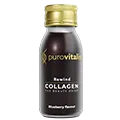
This is one of the reasons why we at Purovitalis have included vitamin C as one of the supporting ingredients in our Rewind Liquid Collagen. Vitamin C is often added to collagen formulas for the same reason: it does not replace collagen itself, but it helps the body produce, stabilize, and use collagen more effectively.
Read also: Bovine collagen peptides – types, benefits and safety
Quercetin
Vitamin C and quercetin are often combined because they appear to work well together.
Quercetin is a plant compound from the flavonoid family, known for its antioxidant properties. Vitamin C may help support the activity of quercetin and contribute to its stability in the body. For this reason, the two are often discussed together in nutrition and supplement research.
Some studies suggest that combining vitamin C with flavonoids like quercetin may strengthen their effects on oxidative stress and immune response. This pairing is interesting because both compounds are linked to the body’s defense systems and may help protect cells from everyday oxidative stress.
This combination is especially relevant in the context of immune support and healthy aging, where the goal is to support the body’s natural protective systems over time.
Wrap up on vitamin C and longevity
Vitamin C plays a central role in several processes linked to healthy aging. It supports antioxidant defense, contributes to collagen production, and helps maintain immune function—systems that all influence how the body handles stress and repair over time. These are some of the reasons why vitamin c benefits continue to be discussed in relation to vitamin c longevity and long-term health.
It is not a single answer to aging, though regular intake through food or a well-formulated vitamin c supplement can help support the body’s resilience over time. In that sense, vitamin C remains a simple but relevant nutrient in a longevity-focused routine.
References
- Zhang X, Xu Y, Wang X, Chen M, Xiong J, Cheng G. Association between vitamin intake and biological aging: evidence from NHANES 2007–2018.
- The Journal of Nutrition, Health and Aging. 2026;30(2):100776.
- EFSA NDA Panel (EFSA Panel on Dietetic Products, Nutrition and Allergies). (2013). Scientific Opinion on Dietary Reference Values for vitamin C. EFSA Journal, 11(11), 3418.
- Ashor AW, Lara J, Mathers JC, Siervo M. Effect of vitamin C on endothelial function in health and disease: A systematic review and meta-analysis of randomised controlled trials. Atherosclerosis. 2014;235(1):9–20.
- Zhang Y, et al. Association between dietary vitamin C and telomere length: a cross-sectional study. Frontiers in Nutrition. 2023.
- Bechara N, Flood VM, Gunton JE. A Systematic Review on the Role of Vitamin C in Tissue Healing. Antioxidants. 2022;11(8):1605.
- Hemilä H, Chalker E. Vitamin C for preventing and treating the common cold. Cochrane Database of Systematic Reviews. Calder PC, Kreider RB, McKay DL. Enhanced Vitamin C Delivery: A Systematic Literature Review Assessing the Efficacy and Safety of Alternative Supplement Forms in Healthy Adults. Nutrients. 2025;17(2):279. Colunga Biancatelli RML, Berrill M, Marik PE. Quercetin and Vitamin C: An Experimental, Synergistic Therapy for the Prevention and Treatment of SARS-CoV-2 Related Disease (COVID-19). Frontiers in Immunology. 2020.
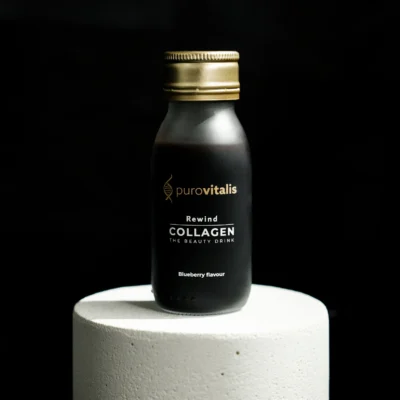
Experience the best of Collagen with Purovitalis liquid formula. Try it out!

longevity tips best exercises nutrition diets healthy lifestyle
The art of living well a life that’s not measured by years alone, but by experiences, health, and joy!
Share: