
Have you ever wondered why certain key minerals play such a massive role in how we age and feel every day? While many people focus on trendy longevity molecules, true vitality often starts with foundational nutrients that your body cannot produce on its own. Zinc is one of those essential minerals that quietly powers over 300 enzymatic reactions, guarding your cells against oxidative stress, keeping your immune system sharp, and supporting long-term healthspan.
Let’s take a closer look at what zinc actually is, how it affects your body and longevity, and how you can optimize your daily intake.
table of contents
What is zinc & how does it support longevity?
Zinc is an essential trace mineral, meaning your body requires it daily through food or supplementation because it has no large storage system for it. It serves as a vital cofactor for hundreds of enzymatic processes that regulate everything from cellular repair and DNA synthesis to metabolism and immune defense.
When we talk about longevity and health-span—the period of life spent in good health—zinc plays a pivotal protective role. As an indirect zinc antioxidant, it supports the activity of Superoxide Dismutase, also known as SOD, which is a critical enzyme that neutralizes damaging free radicals and protects cellular membranes¹.
Furthermore, the broad range of zinc health benefits includes supporting cellular division, protein synthesis, and repairing damaged tissues, ensuring that your organs continue to function efficiently as you age.
As we age, chronic low-grade inflammation often called inflammaging accelerates biological aging. Research shows that adequate zinc levels help regulate pro-inflammatory cytokines like IL-6 and TNF-alpha, preserving immune cell balance and preventing premature tissue breakdown².
Knowing what zinc is good for also means recognising when your body lacks it. Recognising zinc deficiency symptoms early—such as frequent infections, slow wound healing, hair thinning, loss of taste or smell, and skin issues like eczema—allows you to restore your mineral balance before long-term health-span is compromised³.
Zinc at a glance
Zinc is an essential trace mineral required daily for over 300 enzymatic processes, immune defense, and DNA repair. It acts as an indirect antioxidant and combats chronic age-related inflammation to protect your healthspan. Since your body cannot store zinc, consistent daily intake through food or supplementation is essential.
Zinc benefits for women
Zinc plays a unique and dynamic role in supporting female health across every stage of life. In terms of hormonal balance and the menstrual cycle, zinc is necessary for the synthesis and regulation of key reproductive hormones, including estrogen and progesterone. Clinical studies demonstrate that zinc supplementation in women suffering from hormonal imbalances such as Polycystic Ovary Syndrome, or PCOS helps improve insulin sensitivity, reduce elevated androgen levels, and support regular ovulation⁴.
During pregnancy and lactation, zinc demand surges significantly to support rapid cellular division, fetal tissue growth, and neural development.
Related blogs:
- Menopause and aging – the science behind female longevity
- Berberine and PCOS: Natural support for reproductive health
Skin & anti-aging benefits
Beyond internal physiology, zinc is a game-changer for your skin and hair. It helps keep oil production in check, calms down inflammation, and boosts collagen to keep skin firm and elastic. By blocking the hormone conversion that causes clogged pores and hair follicle shrinkage, zinc helps clear up acne and prevent natural hair thinning⁵.
Zinc benefits for men
For male healthspan and vitality, zinc is an indispensable component of endocrine and reproductive wellness. It is heavily involved in the activity of Leydig cells and the synthesis of luteinizing hormone and testosterone, making a quality zinc supplement for men an effective strategy for maintaining optimal testosterone levels, sperm motility, and overall fertility⁶.
The prostate gland maintains higher concentrations of zinc than almost any other soft tissue in the human body. Maintaining these tissue concentrations helps guard prostate cells against oxidative stress and inflammatory structural changes over time.
Additionally, as a key driver of protein synthesis and growth factor regulation, zinc aids muscle tissue repair and physical recovery after strenuous physical exertion⁷.
Zinc dosage and intake schedule
To get the full longevity benefits of zinc without throwing your body out of balance, hitting the sweet spot with your daily dose is key. According to health authorities like the European Food Safety Authority (EFSA) and the National Institutes of Health (NIH), the standard recommended daily intake is about 8–9 mg for women (a bit more if you’re pregnant or nursing) and 11 mg for men⁸. However, according to clinical longevity studies, daily doses between 15–25 mg are often used in healthy aging protocols to make up for the natural drop in nutrient absorption as we get older².
When it comes to timing, a little planning goes a long way. According to pharmacokinetic research, zinc is absorbed best on an empty stomach—about an hour before or two hours after eating⁹. But if that gives you a slightly upset stomach, taking it with a light meal works just fine. Just keep in mind that, according to older nutritional studies on mineral competition, taking high doses of calcium, iron, or copper at the exact same time can block zinc absorption, as these minerals compete for the same entry points in your gut¹⁰.
Finally, keep in mind that more isn’t always better. According to safety guidelines from the NIH, the safe upper limit for adults is set at 40 mg per day⁸. Going over this limit for too long can lead to unwanted side effects like nausea, stomach cramps, and headaches. Over time, taking too much zinc can also wipe out your copper levels, which, according to clinical research on long-term toxicity, can lead to issues like anemia and a weaker immune system¹¹.
Top forms that zinc comes in
Not all zinc supplements are created equal. The compound it is bound to determines how easily your digestive tract can absorb and utilize it.
| Zinc form | Bioavailability | Best for | Considerations |
| Zinc bisglycinate / glycinate | High | Maximum absorption & gentle digestion | Bound to glycine; highly recommended for daily use¹². |
| Zinc picolinate | High | Cellular uptake & immune support | Well-researched form for efficient absorption. |
| Zinc citrate | Moderate-High | General supplementation | Affordable and well-tolerated. |
| Zinc gluconate | Moderate | Immunity lozenges & cold relief | Common in throat lozenges; moderate absorption¹³. |
| Zinc acetate | Moderate | Short-term cold duration support | Frequently used in clinical trials for respiratory care¹³. |
| Zinc sulfate | Low | Basic supplementation | Can cause stomach upset or nausea. |
Note: Industrial or chemical forms such as zinc phosphide, zinc sulfide, zinc hydroxide, and zinc chromate are non-dietary compounds and should never be ingested.
Natural sources of zinc
A well-rounded diet remains a great foundation for mineral intake, and incorporating zinc-rich foods helps ensure steady baseline levels across your lifespan.
Animal-based sources:
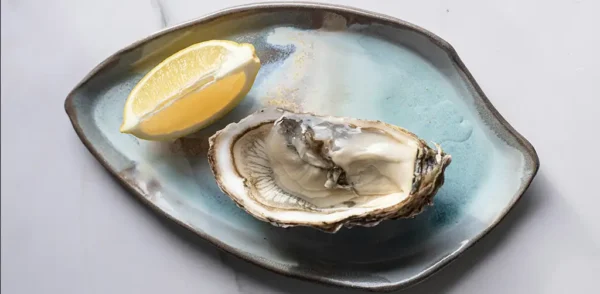
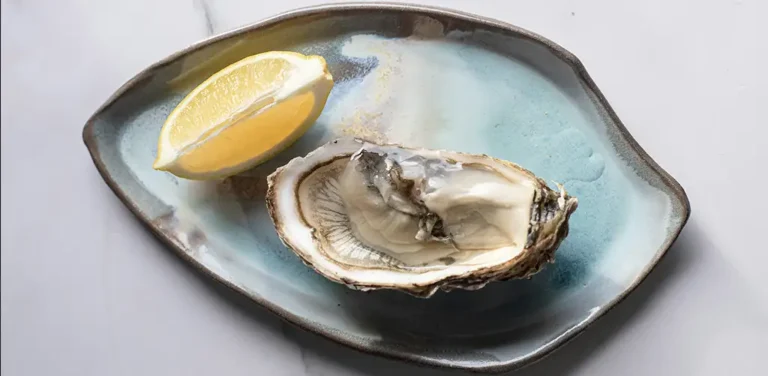
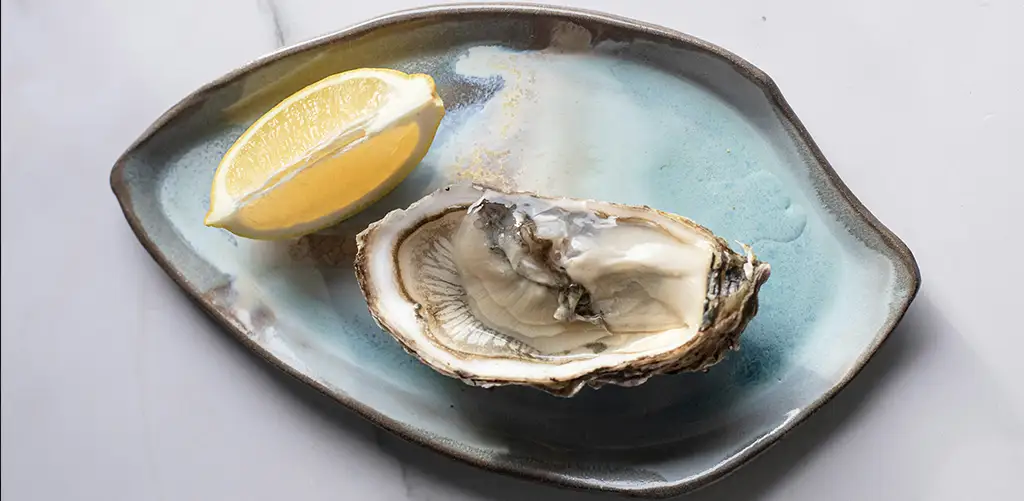
Oysters are the undisputed champion of dietary zinc, providing over 30 mg per serving. Red meat such as beef and lamb, along with poultry, eggs, and dairy products like cheese, offer great natural choices. Because animal proteins contain no absorption blockers, these options deliver high bioavailability that your body can quickly and easily absorb.
Plant-based sources:
Pumpkin seeds, sesame seeds, cashews, and almonds are dense in minerals. Legumes like chickpeas, lentils, and beans as well as whole grains like oats and quinoa also provide zinc. These plant sources have moderate bioavailability because plant phytates bind to zinc and inhibit its absorption; soaking, sprouting, or fermenting plant foods significantly reduces phytic acid content and boosts how much zinc your body can actually use¹⁴.
Checking your zinc levels?
If you don’t eat meat, keeping an eye on your zinc status is extra important. You can ask your doctor for a blood test, but it doesn’t show the full picture since most zinc lives inside your cells, not in your blood. Paying attention to symptoms like slow healing, hair thinning, or a weak immune system is key—and trying a simple daily supplement is often a safe, practical way to bridge the gap.
Zinc supplementation – The best options
To get the most out of your longevity routine, combining zinc with other targeted supplements often works much better than taking it on its own. Pairing zinc with ingredients that support it creates a nice synergy for healthy aging.
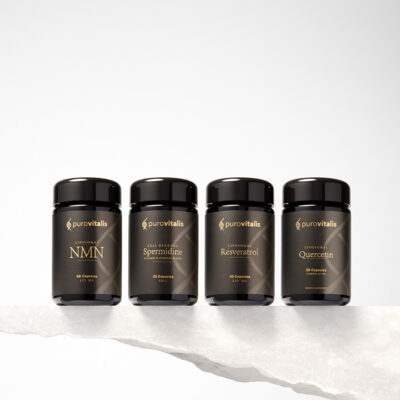
That’s exactly why we’ve added zinc directly into two of our targeted formulas:
- Spermidine supplement:
Spermidine helps your body clear out old, damaged cell parts. But while spermidine handles the cleanup, your body needs to make new, healthy cells to replace them. We add zinc here because it’s a key building block for DNA creation and cell division, helping your cells rebuild smoothly after the cleanup process. - Liposomal Quercetin:
Quercetin is a powerful plant compound with a neat trick: it acts as a “door opener” for zinc. It helps shuttle zinc across cell membranes so the mineral actually gets inside your cells where it does its best work. Combining zinc with quercetin, Vitamin C, and Bromelain makes it way easier for your body to absorb and use the zinc for immune support and daily protection.
Read more about this combination here: Quercetin combined with zinc, vitamin C and bromelain
Shop all Purovitalis longevity supplements here.
References
- Age-Related Eye Disease Study Research Group. A randomized, placebo-controlled, clinical trial of high-dose supplementation with vitamins C and E, beta carotene, and zinc for age-related macular degeneration and vision loss: AREDS report no. 8. Arch Ophthalmol. 2001;119(10):1417-1436.
- Mocchegiani E, Romeo J, Malavolta M, et al. Zinc: dietary intake and impact of zinc status on immune function in elderly people (ZINCAGE project). Age (Dordr). 2013;35(3):839-860.
- Prasad AS. Zinc is an antioxidant and anti-inflammatory agent: its role in human health. Front Nutr. 2014;1:14.
- Jamilian M, Foroozanfard F, Bahmani F, et al. Effects of zinc supplementation on endocrine outcomes in women with polycystic ovary syndrome: a randomized, double-blind, placebo-controlled trial. Biol Trace Elem Res. 2016;170(2):271-278.
- Maktabi M, Jamilian M, Asemi Z. Zinc supplementation decreases hirsutism, alopecia and plasma malondialdehyde in women with polycystic ovary syndrome: a randomized, double-blind, placebo-controlled trial. Biol Trace Elem Res. 2018;182(2):181-186.
- Santos HO, Teixeira FJ. Use of medicinal doses of zinc as a safe and efficient coadjutant in the treatment of male hypogonadism. Aging Male. 2020;23(5):381-397.
- Prasad AS, Mantzoros CS, Beck FW, Hess JW, Brewer GJ. Zinc status and serum testosterone levels of healthy adults. Nutrition. 1996;12(5):344-348.
- National Institutes of Health Office of Dietary Supplements. Zinc: Fact Sheet for Health Professionals. NIH Website.
- Tran CD, et al. Zinc Absorption and Pharmacokinetics. Nutrients. 2018;10(7):844.
- Solomons NW. Competitive interaction of iron and zinc in the diet: implications for human nutrition. Am J Clin Nutr. 1986;44(6):835-843.
- Duncan A, et al. The risk of copper deficiency in patients receiving nutritional supplements containing zinc. Clin Nutr. 2015;34(6):1004-1008.
- Gandia P, Bour D, Maury J, et al. A bioavailability study comparing two oral ampicillin formulations and zinc bisglycinate versus zinc gluconate in healthy volunteers. Int J Vitam Nutr Res. 2007;77(4):243-248.
- Hemilä H, Chalker E. Zinc lozenges and the common cold: a meta-analysis comparing zinc acetate and zinc gluconate, and the role of zinc dosage. JRSM Open. 2017;8(5):2054270417694291.
- Gibson RS, Raboy V, King JC. Implications of phytate in plant-based foods for iron and zinc bioavailability, setting dietary requirements, and formulating programs and policies. Nutr Rev. 2018;76(11):793-804.

Track 50+ health metrics with AI-powered accuracy. Start your free trial today and take control of your wellness journey!
premium supplements Liposomal Technology made in EU Third party lab tested
Experience life to its fullest because you deserve the best! Try Purovitalis supplements!
Share: