
Coenzyme Q10 (COQ10) for longevity – top benefits and indications
 Written byKarina Ahrenholt
 Reviewed bySamo Borko | Biochemist and Expert Formulator at Purovitalis
Coenzyme Q10 is one of the body’s most important compounds for cellular energy production. It is naturally found inside the mitochondria, where it helps cells produce the energy needed for everything from heart function to muscle performance and cognitive health. As CoQ10 levels naturally decline with age, researchers have become increasingly interested in its connection to longevity, mitochondrial health, and healthy aging.
In this blog, you can learn what Coenzyme Q10 does, its potential benefits, food sources, side effects, how it fits into a modern longevity-focused lifestyle and last but not least – why we have decided to add this to our calcium AKG supplement.
table of contents

What is coenzyme Q10 (COQ10)
Coenzyme Q10, often called CoQ10 or simply Q10, is a naturally occurring antioxidant produced by the body. Its primary role is supporting mitochondrial energy production by helping cells convert nutrients into ATP — the body’s main source of cellular energy.
Because mitochondria power nearly every process in the body, CoQ10 is especially concentrated in organs with high energy demand, such as the heart, muscles, liver, kidneys, and brain.
Researchers have become increasingly interested in Coenzyme Q10 and longevity because CoQ10 levels naturally decline with age. Lower levels have been associated with reduced mitochondrial efficiency, fatigue, muscle weakness, and changes in cardiovascular function. Some medications, particularly statins, may also reduce the body’s natural CoQ10 production because they affect the same pathway involved in cholesterol synthesis.
In simple terms
CoQ10 helps your cells produce energy, protects them from oxidative stress, and becomes especially relevant as we age or when natural levels are reduced. This is why it is often discussed in relation to mitochondria, heart health, and longevity.
CoQ10 is also being studied in relation to brain health. A 2025 review highlights that mitochondrial dysfunction and oxidative stress are closely linked to age-related cognitive decline and neurodegenerative diseases. Since CoQ10 supports mitochondrial function and antioxidant protection, researchers are exploring its potential role in neurological aging as well.
This connection between Coenzyme Q10, mitochondria, heart health, and brain function is one reason the compound has become widely discussed within healthy aging and longevity research.
Related: Study: Risk factors for stroke, dementia and latelife depression
Common symptoms associated with lower CoQ10 levels may include:
- Fatigue
- Reduced exercise capacity
- Muscle weakness
- Brain fog
- Lower physical resilience
At the same time, these symptoms are non-specific and can have many different causes. CoQ10 deficiency itself remains relatively uncommon in healthy individuals.
Benefits of COQ10
The main Coenzyme Q10 benefits are closely linked to how the body produces and protects cellular energy. Since mitochondria are involved in nearly every organ system, CoQ10 is studied for several areas of health — especially heart health, energy, fertility, and skin aging.
CoQ10 for heart health and blood pressure
One of the strongest areas of research is cardiovascular health. A 2024 meta-analysis involving more than 3,700 participants found that CoQ10 supplementation improved several cardiovascular markers in people with heart failure and cardiovascular disease.
CoQ10 has also been studied for blood pressure. A 2022 systematic review found that supplementation may contribute to modest reductions in systolic blood pressure, especially in people with metabolic or cardiovascular conditions.
Related: Blood pressure and longevity: Why it matters as we age
CoQ10 for energy and mitochondria
CoQ10 does not work like caffeine or stimulant-based supplements. Instead, it supports the body’s own energy production inside the mitochondria.
This is why people often connect CoQ10 with energy, physical performance, and healthy aging. The effect is not an instant boost, but rather support for the systems that help your cells produce ATP.
CoQ10 for fertility and skin health
CoQ10 has also gained attention in fertility research. Sperm cells require large amounts of mitochondrial energy to move and function properly. A 2025 systematic review found that CoQ10 supplementation improved sperm motility and sperm concentration in some men with fertility challenges.
You may already have seen CoQ10 listed on facial creams and anti-aging skincare products. Skin health is another area of interest. Since skin is exposed to oxidative stress from UV radiation and environmental factors, researchers have explored whether CoQ10 may support healthy skin aging. Studies suggest it may help reduce oxidative stress markers and support skin smoothness and elasticity over time.
You might also like: Study insight: Resveratrol protects the skin from the inside out
Does CoQ10 lower cholesterol or thin the blood?
CoQ10 does not lower cholesterol in the same way statin medication does. It is often discussed together with statins because statins may reduce the body’s natural CoQ10 production.
CoQ10 is not a standard blood thinner either. Still, it may interact with anticoagulant medication such as warfarin, so people using blood-thinning medication should speak with a healthcare professional before taking CoQ10.
Coenzyme Q10 in foods
CoQ10 is naturally present in several foods, though dietary intake is usually much lower than the amounts commonly used in supplementation studies.
The richest Coenzyme Q10 food sources include:
- Organ meats such as liver and heart
- Beef and pork
- Sardines and mackerel
- Chicken
- Nuts and seeds
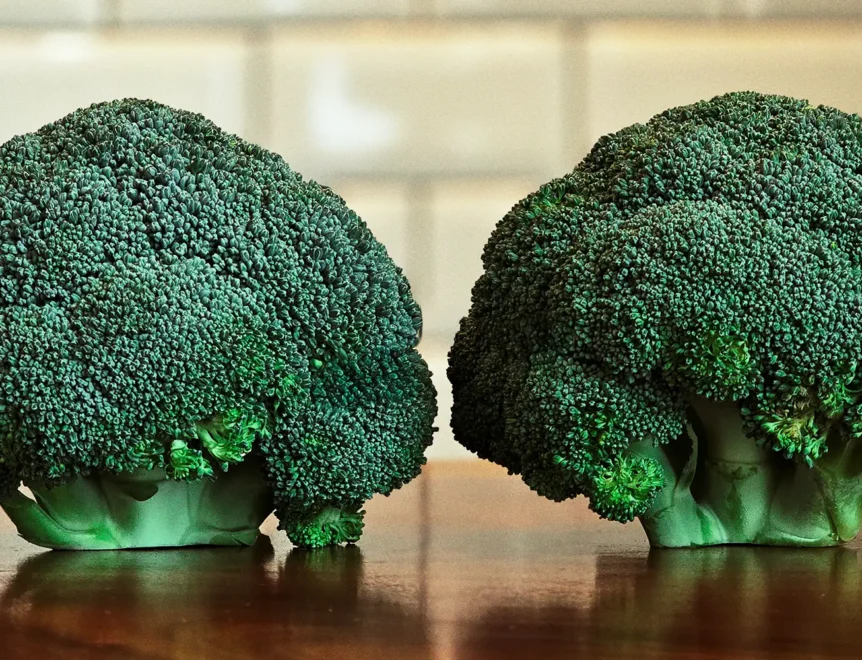
- Spinach and broccoli
In general, animal-based foods contain the highest concentrations of CoQ10.
Although CoQ10 is present in food, researchers estimate that average dietary intake remains relatively modest compared to the levels used in clinical research. This is one reason CoQ10 supplementation has become increasingly popular within longevity and healthy aging routines.
CoQ10 is fat-soluble, meaning absorption improves when taken together with dietary fat. This is also why many CoQ10 supplements are formulated in oil-based capsules or softgels.
COQ10 Dosage, side effects, and interactions
CoQ10 is generally considered well tolerated in healthy adults.
Most supplementation studies use doses ranging between 100–300 mg daily, though higher amounts are sometimes used in clinical settings. A large safety review published in Drug Safety concluded that CoQ10 has a strong safety profile, even at relatively high doses.
The most commonly reported Coenzyme Q10 side effects are mild digestive symptoms such as:
- Nausea
- Stomach discomfort
- Diarrhea
- Reduced appetite
Because CoQ10 is fat-soluble, many people choose to take it together with meals containing fat to support absorption. Some individuals prefer taking CoQ10 earlier in the day because of its connection to cellular energy metabolism, though evidence around exact timing remains limited.
Coenzyme Q10 is frequently combined with fish oil in longevity-focused supplementation routines because both compounds are widely used for cardiovascular and metabolic health support.
People using statin medication often supplement with CoQ10 because statins may reduce endogenous CoQ10 production. Recent systematic reviews suggest CoQ10 may help reduce statin-associated muscle symptoms in certain individuals, though results remain mixed overall.
There is currently limited evidence regarding CoQ10 supplementation during pregnancy and breastfeeding. Because of this, supplementation should always be discussed with a qualified healthcare professional in these situations.
Should you supplement Coenzyme Q10?
Coenzyme Q10 has become increasingly popular within longevity and healthy aging because of its close connection to mitochondrial energy production. Since CoQ10 levels naturally decline with age, researchers continue exploring how supplementation may support energy metabolism, cardiovascular health, physical performance, and resilience over time.
At Purovitalis, we focus on ingredients that support how the body functions long term rather than relying on short-term stimulation or exaggerated claims. This is also why CoQ10 fits naturally into the broader philosophy behind our Ca-AKG formulation.
Calcium Alpha-Ketoglutarate (Ca-AKG) plays a central role in cellular energy metabolism and has gained growing attention in aging research because of its connection to mitochondrial function and healthy aging pathways.
Related: Alpha-Ketoglutarate (AKG) and aging: What does the research show?
To further support this approach, we have also added L-carnitine and Vitamin B12 to the formula. L-carnitine is closely linked to mitochondrial energy production and physical function, while Vitamin B12 contributes to normal energy metabolism, nervous system function, and the reduction of tiredness and fatigue.
Read more here: L-Carnitine for longevity – the science-based guide and Vitamin B12 (Cobalamin) – top anti-aging benefits and deficiency signs
Together, these ingredients support the body’s natural energy systems and help shift the focus away from temporary stimulation and toward long-term vitality, resilience, and healthy aging.
Rather than chasing more energy for a few hours, the goal is supporting physical function and vitality as the years go by.
References
- Hernández-Camacho JD, et al. Coenzyme Q10 Supplementation in Aging and Disease. Frontiers in Physiology. 2018.
- Banach M, et al. Statin therapy and plasma CoQ10 concentrations. Pharmacological Research. 2015.
- Mantle D, Hargreaves I. Coenzyme Q10 and the Blood–Brain Barrier: An Overview. Journal of Clinical Medicine. 2025.
- Zhao Q, et al. Coenzyme Q10 and cardiovascular outcomes: systematic review and meta-analysis. BMC Cardiovascular Disorders. 2024.
- Jorat MV, et al. Effects of CoQ10 supplementation on blood pressure: systematic review and meta-analysis. Complementary Therapies in Medicine. 2022.
- Hernández-Camacho JD, et al. Role of CoQ10 in mitochondrial function and energy metabolism. Frontiers in Physiology. 2018.
- Alahmar AT, et al. Coenzyme Q10 and male infertility: systematic review and meta-analysis. Andrologia. 2025.
- Žmitek K, Žmitek J, Rogl Butina M, Pogačnik T. The effect of dietary intake of coenzyme Q10 on skin parameters and condition: Results of a randomised, placebo-controlled, double-blind study. BioFactors. 2017;43(1):132–140
- Mayo Clinic. Coenzyme Q10. Accessed 2026.
- Pravst I, et al. Dietary sources and intake of CoQ10. BioFactors. 2010.
- Hidaka T, et al. Safety assessment of CoQ10. Drug Safety. 2008.
- Qu H, et al. Effects of CoQ10 on statin-associated muscle symptoms. Journal of the American Heart Association. 2018.

 English
 Dutch
Dutch German
 French
 Spanish
 Romanian
 Danish
 Italian